
A new subscriber asks, “Why Paper Money?”
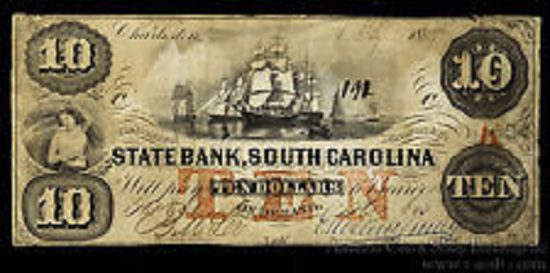
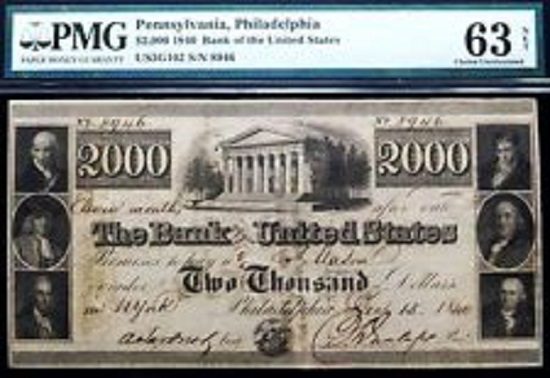
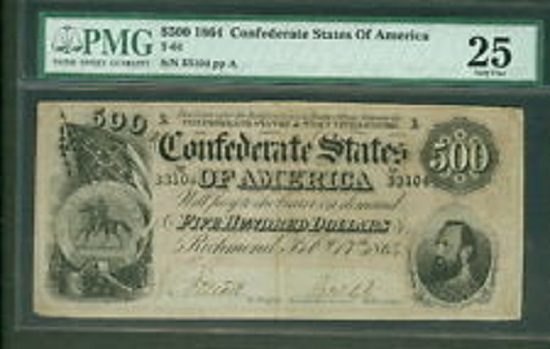
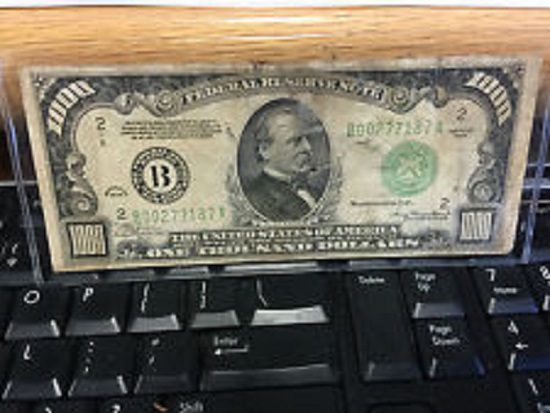
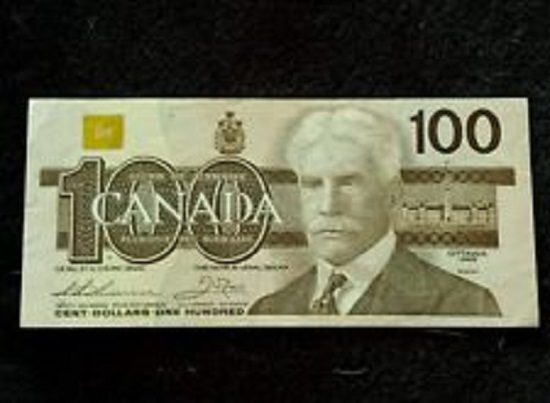
Paper money collecting is a specialty in numismatics. It not only consists of currencies, but also entails a variety of notes, which many may not think of collecting, or think of as currency. For instance, checks, both canceled and uncancelled, by private banks and local, city, state, and federal. Notes that never circulated, but are nevertheless collectible, and available somewhere, like $10,000.00 notes. $500.00 and $1,000.00 notes at one time did circulate but are no longer used in circulation since around 1970.
If banks get them, they will accept them at par, but a collector will give you MORE than face value, so why would you want to cash them in at a bank? Paper money collecting can consist of bonds, stocks, railroad certificates, and certificates of deposits, similar to gold certificate currency and silver certificate currency. Your Certificate of Live Birth is a Bond. Bet you don’t have YOURS.
My understanding is it is controlled by the IMF traded on the Stock Exchange and is worth millions. The question is: How do you get it returned to YOU? Its rightful recipient. But that’s another story for later. There exist bank notes of states only, not issued by the federal government. Colonial notes of the 1700’s. Confederate notes. Notes signed by specific officials of the banks or governments. Hand-signed notes.
Notes collected by serial number or federal reserve districts, etc. The collecting issues can be as varied as coin collecting. Some collectors collect by country only, specific denominations only, large-size notes, small-size notes, notes with a particular artwork, and commemorative issues. Variety and error notes (notes with printing errors on them, like two different denominations imprinted).
Disney Dollars are very collectible, and some world notes are made of new material called Polymer Notes with many new security features. If paper money collecting interests, there are specialty clubs just for paper. Even though there will be many paper money collectors in your local coin clubs. There is a magazine calledBank Note Reporter’ which paper money enthusiasts subscribe to, and an international organization called IBNS. The International Bank Note Society.
A noted collector learns about grading, counterfeit detection, and alteration and joins clubs to get around other enthusiasts to learn more about their mutual interests. You can go to coin clubs and coin shows to buy, sell trade, and expand your knowledge and skills. Download the PDF-“An Introduction to Van Court’s Bank Note Reporter and Counterfeit Detection”. Start your adventure. You will only learn. Happy hunting. Contributed by Judy K. Santa Monica, CA.